
Wrong-Way Vehicle on an Indian Highway: What Drivers Should Do
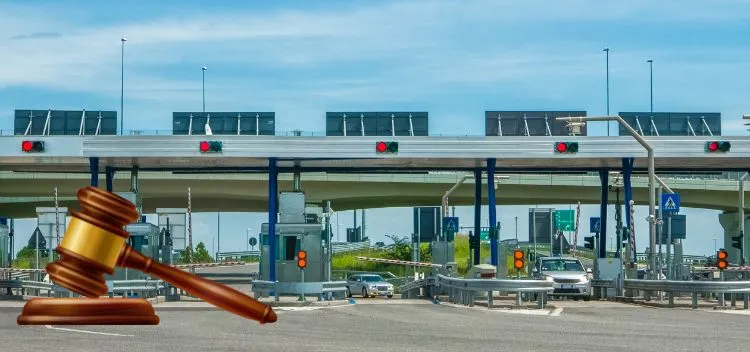
Traffic advisory explainer — not a live road closure or incident report. A vehicle travelling against the permitted direction on a divided highway creates a rapidly developing hazard. This guide explains what drivers should do when they spot one and how to report the danger without making the situation worse.
What to do if you see a wrong-way vehicle ahead
Ease off the accelerator early and increase the gap to surrounding traffic. Avoid abrupt steering or braking that could cause a secondary collision. Where safe, move away from the path of the approaching vehicle while staying within the permitted carriageway. Do not enter an opposing lane or make a U-turn to escape.
Use your horn or headlights only when it is safe and useful to alert others. Concentrate on controlling your own vehicle rather than filming the incident. If you can stop safely at a designated rest area or other protected location, report the hazard with the road name, direction of travel, nearest kilometre marker or exit, and the approximate time.
If you accidentally enter the wrong carriageway
Do not accelerate to reach the next exit, reverse along a live lane, or attempt an unsafe turn across traffic. Slow carefully, activate hazard warning lights when appropriate and seek a safe protected stopping location without crossing active lanes. Contact highway patrol or police for instructions. An access-controlled road may have barriers and restricted turnaround points, so improvising a correction is especially dangerous.
How to report the hazard
For an immediate threat to life, contact the emergency response number 112. On National Highways managed by NHAI, the official Rajmargyatra portal lists 1033 as the 24×7 National Highway assistance helpline. NHAI’s published FAQ also identifies 1033 for reporting incidents and seeking assistance. On state-managed roads, follow the locally posted emergency and police contact information.
Give responders a clear direction of travel: “northbound carriageway near kilometre marker 42, vehicle approaching southbound.” If the location is uncertain, state that uncertainty rather than guessing. Report vehicle type and colour only if observed safely. Do not pursue, confront or block the driver.
Why wrong-way incidents can happen
Confusing slip roads, missed exits, poor visibility and failure to follow one-way or no-entry signs can contribute to wrong-direction movements. Motorists should check signs before entering ramps and should never treat a short distance against traffic as an acceptable shortcut. MoRTH’s road-safety learning material covers safe lane use and the prohibition on reversing on one-way roads.
Before your next highway trip
Review the correct entry and exit ramps, keep navigation audio at a manageable level, and watch for temporary diversion signs. See our guide to highway lane closures and diversion signs and our guide to checking incident-related traffic delays. If a traffic advisory names a closure, verify its time and issuing authority before relying on it.
This is general safety information, not a claim that a particular highway currently has wrong-way traffic, an accident or a closure. Always follow police directions and on-site traffic controls.





Leave a Reply