
PM-RAHAT Cashless Road Accident Treatment: Eligibility and Hospital Process Guide
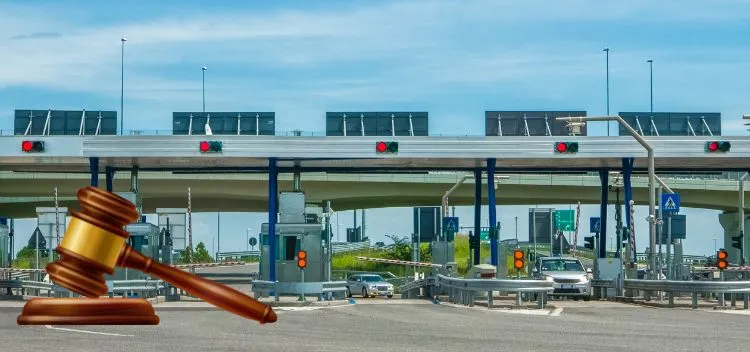
Government policy explainer — updated 22 November 2026. PM-RAHAT is India’s statutory cashless-treatment arrangement for people injured in road accidents involving motor vehicles. This is a guide to an existing scheme, not an announcement of a new benefit today. Its purpose is to help motorists, passengers and families understand the first steps after a crash, the hospital process and the scheme’s limits.
What is PM-RAHAT?
PM-RAHAT stands for Prime Minister – Road Accident Victims’ Hospitalisation and Assured Treatment. The Ministry of Road Transport and Highways says the scheme was notified on 5 May 2025, with operating guidelines on 4 June 2025, and launched on 13 February 2026. It implements the cashless-treatment framework under Section 162 of the Motor Vehicles Act. The ministry explained the arrangement in its 11 March 2026 PIB release.
How much treatment is covered?
- Up to ₹1.5 lakh per eligible victim, not an automatic cash payment to the victim.
- Maximum seven days from the accident date, subject to the scheme’s conditions.
- Applicable to road accidents caused by the use of motor vehicles, on any category of road, not only National Highways.
- Care must be provided through a designated hospital under the scheme.
The ministry specifies stabilization treatment for up to 24 hours in non-life-threatening cases and up to 48 hours in life-threatening cases, subject to the police response process. These stabilization periods should not be confused with the overall seven-day treatment cap. The cover is subject to eligibility, approved packages and procedural requirements; it does not mean that every medical bill or every hospital is covered.
What to do immediately after a road accident
- Make the scene as safe as possible without putting yourself or others in danger. Do not move a seriously injured person unnecessarily unless there is an immediate threat.
- Call 112 for emergency response. The government says the integrated 112 system can help identify the nearest designated hospital and request an ambulance.
- Share the road name, direction, nearby kilometre marker or landmark, vehicle information and number of injured people. If on a National Highway, also consult our NHAI 1033 accident-reporting guide for highway assistance.
- Ask the receiving hospital’s emergency desk whether it is designated for PM-RAHAT and whether the case can be registered under the scheme.
- Preserve available accident details, hospital records and any reference numbers. Follow hospital and police instructions without delaying urgent treatment.
How hospital and police verification works
The government describes a digital workflow joining the police’s eDAR (Electronic Detailed Accident Report) platform and the National Health Authority’s TMS 2.0 hospital-claims system. The designated hospital creates treatment identifiers and sends information for police authentication. The ministry describes police-response windows of up to 24 hours or 48 hours for life-threatening situations, as determined in the hospital process. These are administrative workflow periods, not instructions for a patient to wait before seeking emergency care.
What families should confirm at the hospital
- Is this hospital designated for PM-RAHAT, and has the patient’s case been registered?
- Which treatments and packages are included, and what is the remaining approved cover?
- Who is the hospital’s scheme coordinator or grievance contact?
- If a transfer is medically necessary, which receiving designated hospital can continue treatment?
- If asked for payment, which charge is outside the scheme and why? Request a written explanation and receipt.
Does a Good Samaritan have to pay or remain at hospital?
Helping an injured stranger is separate from claiming treatment coverage. MoRTH’s Good Samaritan rights guidance says a bystander assisting an accident victim should not be forced to provide personal details or deposit money for the victim’s treatment merely because they helped. Read our Good Samaritan legal-protection guide and Rah-Veer recognition guide for the separate legal and award arrangements.
Important limitations and verification
Do not assume every private hospital participates, that the scheme pays cash directly to families, or that the ₹1.5 lakh ceiling guarantees payment for every treatment. The hospital must confirm designation and applicable packages. Do not trust unofficial agents asking for an upfront registration fee or OTP. The ministry’s March 2026 release also describes district, state and national grievance channels; request the current contact details from the hospital or responsible state health agency.
Official references
- PIB / MoRTH, 11 March 2026: PM-RAHAT cashless treatment
- Motor Vehicles (Amendment) Act, 2019
- PIB / MoRTH, 24 August 2026: road safety and emergency response coordination
Editorial note: This explainer summarizes published central-government guidance; individual eligibility and current hospital participation must be verified with the designated hospital and responsible authorities.



Leave a Reply