
Rah-Veer Road Accident Award in India: Eligibility, Claims and Good Samaritan Protection

Guide / explainer — not a new policy announcement. India’s Rah-Veer scheme recognises people who provide immediate assistance to seriously injured road crash victims. This article explains the official scheme and the distinction between helping someone and being approved for an award.
What is the Rah-Veer award?
The Ministry of Road Transport and Highways revised its Rah-Veer (Good Samaritan) scheme with effect from 21 April 2025. The scheme is designed to recognise people who save lives by providing immediate assistance to victims of serious road accidents. It is not an automatic payment for every witness, every call to emergency services, or every minor collision. Eligibility and assessment follow the published scheme guidelines.
What should you do first at a highway crash?
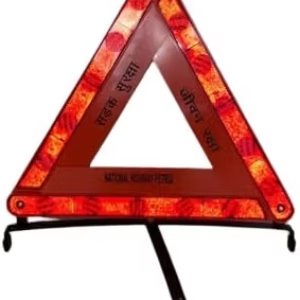
- Protect your own safety. Stop only where it is safe, use hazard lights and warn approaching traffic without entering a live lane.
- Call emergency services promptly. Give the road number, direction, nearest kilometre marker or landmark and the number of injured people.
- Follow instructions from emergency responders. Avoid moving an injured person unless an immediate danger makes it necessary.
- Offer reasonable help within your ability; do not obstruct trained responders or create another traffic hazard.
- Keep any relevant details of your assistance for later verification, but do not delay urgent medical care to collect evidence.
On National Highways, the highway assistance number 1033 may help with highway incidents; emergency response should be requested through appropriate local emergency services as needed.
How are Rah-Veer cases assessed and paid?
The official guidelines provide for district-level appraisal and recommendation. The Deputy Commissioner, Collector or District Magistrate, as chairperson of the District Road Safety Committee, is involved in the award workflow. Approved beneficiary details are uploaded on the e-DAR platform, and the State or Union Territory Transport Commissioner disburses awards through PFMS to the beneficiary’s bank account. The published guidelines describe disbursement within seven days after the beneficiary details are uploaded; this is not a guarantee that every incident will be decided within seven days.
The applicable award amount, qualifying conditions and documents should always be checked against the current official guidelines and the responsible district authority. Do not pay an agent to promise an award.
What legal protections apply to Good Samaritans?
Section 134A of the Motor Vehicles Act and the Good Samaritan Rules notified through G.S.R. 594(E) on 29 September 2020 provide protections to people who render reasonable assistance. The Rah-Veer guidelines reiterate that a Good Samaritan should not be subjected to legal proceedings without consent under those protections. Where those safeguards are breached, the guidelines refer to a grievance redressal committee chaired by the district’s Deputy Commissioner, Collector or District Magistrate.
These safeguards are intended to encourage prompt assistance; they do not authorise unsafe driving, interference with an investigation, or false award claims.
How to check a claim or seek clarification
- Read the official MoRTH Rah-Veer scheme guidelines before applying.
- Contact the district administration or State/UT transport department to confirm the local submission and verification process.
- Keep incident date, location, hospital details and any official acknowledgement accurate; share personal information only through official channels.
- Ask the district administration about grievance procedures if your Good Samaritan protections were not respected.
Related highway safety reading
For a wider explanation of legal protections, read India’s Good Samaritan Law guide. Before a long journey, review expressway breakdown and emergency help, road accident black spots and how to verify highway lane restrictions.
Frequently asked questions
Is every helpful bystander eligible? No. Award eligibility depends on the scheme’s serious-accident criteria and the competent authority’s assessment.
Is a reward immediate? No. District verification and the prescribed administrative process come before any approved payment.
Can a helper decline unwanted legal involvement? The Good Samaritan legal framework provides important protections. For a specific dispute, seek guidance from the relevant district grievance mechanism or a qualified lawyer.
Source and date: MoRTH, Scheme Guidelines on Rah-Veer, revised scheme effective 21 April 2025. This is an evergreen educational article, not a report of a new November 2026 announcement.




Leave a Reply