Expressway Vehicle Breakdown in India: Safe Stopping and Emergency Help Guide
Highway Explainer: A vehicle breakdown on a high-speed expressway needs a different response from a breakdown on a quiet local road. Access-controlled roads have fast-moving traffic, limited entry and exit points, and designated places for stopping. This guide explains a practical sequence for drivers and passengers. It is general safety information, not a report of a current closure or incident.
What to do first when the vehicle develops a fault
If the vehicle is still controllable, ease off the accelerator, switch on hazard warning lights and move toward a safe, permitted stopping area without abrupt lane changes. Do not brake sharply in a live traffic lane simply to inspect a warning light. If you cannot safely leave the carriageway, keep the vehicle visible and contact emergency services rather than attempting a roadside repair in traffic.
Where should you stop?
Use an authorised emergency stopping bay, lay-by or service area where available. A hard shoulder, where provided, is not an ordinary parking lane. Never stop in a running lane to photograph a breakdown, and never reverse to a missed exit. If a tyre failure or engine problem makes continued movement dangerous, prioritise reaching the safest available position without putting others at risk.
Keep passengers away from traffic
- Assess the traffic side before opening any door; do not step into a live lane.
- When safe, move occupants to a protected position away from moving vehicles and behind a barrier where one is accessible.
- Keep children and other passengers together. Avoid standing beside the vehicle or walking along the carriageway.
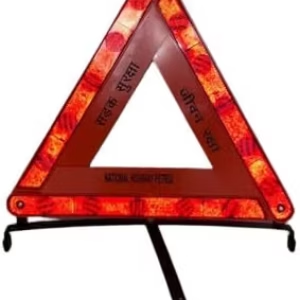
- Use a warning triangle only where it can be placed without exposing someone to traffic; never risk crossing high-speed lanes to position one.
- If exiting is unsafe, stay belted in the vehicle and tell emergency responders your exact circumstances.
Call for help and give a usable location
For National Highway assistance, NHAI’s 1033 helpline supports vehicle breakdowns, medical emergencies, cranes and patrol assistance. The government’s 14 September 2026 release describes 1033 as a 24-hour service and discusses planned upgrades; it does not mean every proposed feature is already live. For immediate police, fire or medical emergencies, use the applicable emergency response number, including 112 in India. State-operated expressways may have separate operator control rooms; follow the numbers displayed on that corridor.
Tell the operator the expressway name, direction of travel, nearest kilometre or chainage marker, last interchange, any signboard reference and your phone location if available. Explain whether the vehicle blocks a lane, whether anyone is injured, and whether there is smoke or fuel leakage. Avoid sharing an approximate location as an exact one.
Why road signs and emergency facilities matter
MoRTH’s 24 December 2024 guidance on expressway and National Highway signage includes emergency helpline signs and emergency-call-box signage. The availability of a working call box, tow truck or ambulance at a particular location must be checked with the road operator; do not assume every facility is present everywhere.
Before accepting towing or roadside repairs
Confirm the service provider’s identity, destination and any applicable charges with the operator or your insurer. Photograph the vehicle condition from a safe place, keep important belongings secure, and ask for a receipt. If a vehicle has been in a collision or shows signs of fire, let emergency responders assess it before attempting repairs.
Prepare before your next expressway trip
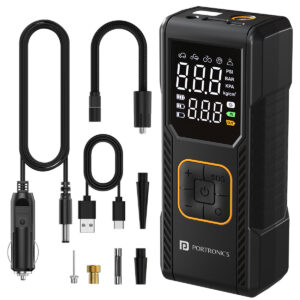
Check tyre condition and pressure, fuel or charge, coolant warnings and the spare-wheel or puncture kit before departure. Plan breaks at authorised facilities. For more road context, read our expressway access and junction guide, variable message sign explainer, and guide to verifying traffic disruption reports.
Key takeaway
Move out of moving traffic only when safe, protect passengers, give responders precise location details and use the relevant road operator’s official emergency channel. A breakdown does not justify unsafe reversing, roadside walking or improvised repairs in a high-speed lane.