
Highway Lane Closure and Diversion Signs in India: Driver Safety Guide
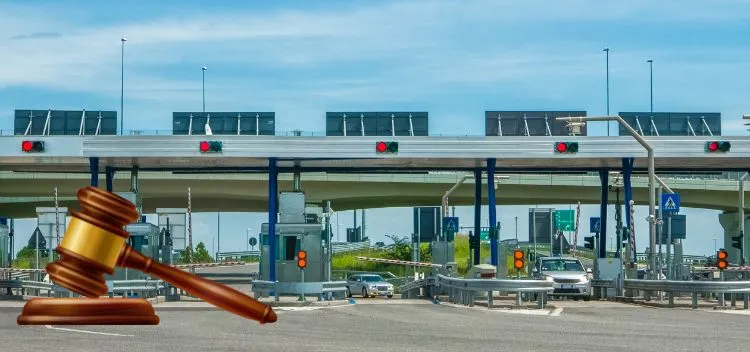
Highway traffic advisory guide — not a live closure alert. Road resurfacing, bridge repairs and other maintenance can temporarily change the way vehicles move on a national highway. This guide explains how to recognise a work zone and respond safely. It does not claim that any particular highway is closed today.
What a lane closure means
A lane closure takes one or more running lanes out of use while work takes place. Traffic may be merged into another lane, shifted onto a temporary carriageway, or directed along a signed detour. A diversion is not necessarily a complete highway closure. Drivers should distinguish a lane restriction, a one-way traffic arrangement, a full closure and an alternative route before changing plans.
How to recognise the approach to roadworks
- Advance warning signs: These tell drivers to expect construction, slower traffic or a lane change ahead.
- Cones and channelising devices: Follow their continuous path rather than crossing into the protected work area.
- Arrow and chevron boards: These indicate the direction vehicles should pass a barrier or shift around a closed section.
- Temporary speed signs: Observe posted restrictions even if the normal highway speed is higher.
- Flaggers and traffic police: Follow lawful directions where manual control is operating.
What to do before entering a diversion
Reduce speed progressively and increase the gap from the vehicle ahead. Check mirrors and blind spots early. Merge where directed without forcing another driver to brake. Avoid overtaking near narrowed lanes, equipment, workers, sharp temporary bends and uneven surfaces. Trucks and buses need additional clearance when navigating narrow curves and barriers.
Never reverse on a highway to reach a missed exit. Continue to the next lawful turnaround or interchange. Do not drive on a closed shoulder or through a barricade simply because navigation software still shows the original road.
How traffic management is planned
NHAI’s published project traffic-management schedule describes measures to minimise diversion roads, guide traffic from closed lanes into operating lanes without opposing-traffic conflicts, and maintain any diversion road in usable condition. These are project contract provisions, not a real-time status bulletin for every highway. See the official NHAI traffic management schedule.
How to verify an advisory before travelling
- Identify the national highway number, kilometre marker, nearest junction and direction of travel.
- Check the issuing authority and the date and validity period of a closure or diversion notice.
- Consult NHAI and relevant state traffic police channels for corridor-specific updates; do not rely solely on a forwarded message.
- Allow extra time when a verified notice mentions single-lane operation, convoy control or a long detour.
- When conditions change on the road, follow on-site traffic controls rather than an outdated map route.
For broader context, read our guide to verifying highway traffic jams and reopening, our fog advisory guide, and our national highway maintenance contract explainer.
If a diversion seems unsafe
Do not stop in a live traffic lane to photograph a hazard. If safe, record the highway number, approximate kilometre marker, travel direction, time and nature of the problem after reaching a secure stopping place. Report an urgent national highway safety hazard through the highway helpline 1033 or the relevant traffic control authority. In an immediate emergency, seek emergency assistance. Avoid publishing an unverified claim that a road has reopened or is blocked.
Key takeaway
A roadwork warning is a signal to slow down, read the temporary route carefully and leave room for other vehicles and workers. For journey planning, always distinguish official, dated route notices from general road-safety advice.







Leave a Reply