
NHAI Issues Emergency Response Guidelines Before New Highway Stretches Open
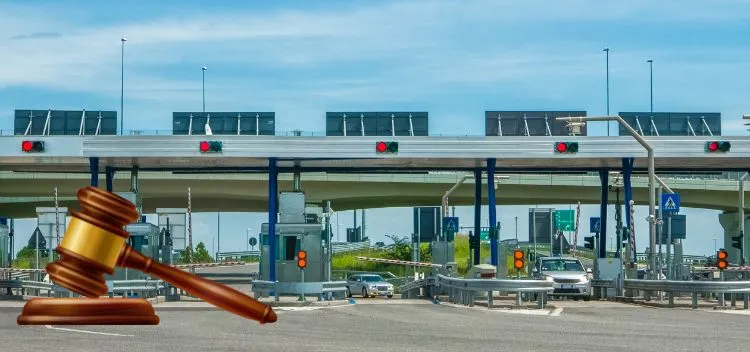
On 25 November 2026, the Ministry of Road Transport and Highways announced that NHAI has issued instructions to make incident response arrangements available before newly opened National Highway sections admit traffic. The announcement puts emergency preparedness alongside road construction as a priority.
Summary
The guidelines cover medical assistance, highway patrols and vehicle recovery. They also connect field responders with the 1033 highway assistance system and local emergency agencies.
How the arrangements differ by highway
On existing operational sections, ambulance placement is to reflect crash records and local needs. For roads assigned to NHAI, a central agency will provide ambulances, while patrol and recovery arrangements can be procured separately or incorporated into maintenance contracts. On roads merely tolled by NHAI, the responsible road authority retains a role in arranging patrol and recovery support.
Why readiness before opening matters
A completed carriageway is only one element of a safe journey. A breakdown can obstruct traffic even on a newly constructed road. Medical assistance and recovery arrangements can help manage the consequences of incidents. The announcement does not establish a universal response-time guarantee or confirm that any particular stretch has opened.
What motorists should do
If you encounter an emergency, stop only where safe and provide responders with the road number, direction of travel and nearest landmark. For immediate medical or police emergencies, contact 112; for National Highway assistance, use 1033. Do not assume that a recovery vehicle has been dispatched until the operator confirms the arrangements.
Read our highway accident reporting guide, guide to kilometre markers and incident management explainer for practical preparation.
Official source
Ministry of Road Transport and Highways announcement via PIB, 25 November 2026.








Leave a Reply