
NHAI AI Dashcam Highway Inspections: How Road Defects Are Identified
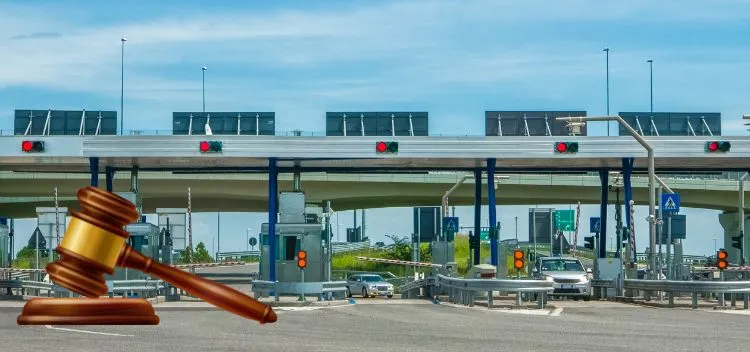
Explainer | 23 November 2026. A dashboard camera can do more than record a journey. The National Highways Authority of India (NHAI) announced on 20 March 2026 a plan to introduce AI-powered dashcam analytics on around 40,000 km of National Highways and expressways. This guide explains the announced approach, its potential benefits and its limits. It is not a claim that every planned route has already received the technology.
What NHAI announced
According to NHAI’s official press release, specialized dashboard cameras mounted on Route Patrol Vehicles (RPVs) are intended to conduct weekly surveys of highway stretches. AI and machine-learning analysis would support highway operations and maintenance by turning visual observations into information that maintenance teams can act on. The approximately 40,000-km figure describes the planned scope, not a verified live coverage map or a completion certificate.
Official source: NHAI press release, 20 March 2026 (PDF).
How a patrol-camera inspection works
- Capture: A patrol vehicle travels its assigned stretch with a forward-looking camera, recording visible roadway conditions.
- Screen: Software can flag potential issues in the imagery for further review, such as damaged pavement, faded markings or road-sign problems.
- Locate: Inspection records need a reliable road location or chainage so the responsible team can find the issue.
- Verify: An apparent defect in footage may require a human check. Lighting, rain, shadows, camera angle and temporary obstructions can complicate interpretation.
- Respond and recheck: Road managers can prioritize inspection or maintenance, then verify whether corrective work was completed.
These are the practical stages of a camera-assisted inspection workflow, not a claim that NHAI has published a universal repair deadline for every detected defect.
What problems could camera surveys help detect?
Road surfaces, lane markings, shoulders and signs change over time. A repeated camera survey can help teams compare conditions on the same stretch and identify locations needing closer attention. For drivers, potholes can cause sudden braking or swerving; unclear markings can make lane positioning difficult; and damaged signs can reduce warning time before a curve or junction. Detecting a problem is only the first step: the relevant authority must still assess severity and organize appropriate work.
Does an AI alert mean a road is unsafe or closed?
No. A machine-generated alert is not itself a traffic restriction, an engineering finding or a public road-closure order. Likewise, a highway not flagged by a camera should not be assumed free of hazards. Drivers should follow actual signs, barriers, police directions and current advisories. For context, see our guide to lane-closure and diversion signs.
How motorists can help report a defect
Do not stop in a live traffic lane to photograph a pothole or sign. From a safe location, note the highway number, direction of travel, nearby kilometre marker, toll plaza or landmark, and the nature of the hazard. If possible, include the time and a photograph taken safely. Our NHAI highway hazard complaint guide explains what evidence is useful. If a hazard creates immediate danger, contact the relevant highway emergency service; the breakdown and emergency-help guide covers safe stopping principles.
What to watch as the plan progresses
Useful progress measures would include verified kilometres surveyed, repeat inspection frequency, how quickly critical alerts are reviewed, maintenance completion rates and independent quality checks. None should be inferred solely from the announcement. NHAI’s initiative is an example of using routine patrols to make road-maintenance information more systematic, while keeping field verification and accountable repairs essential.
Key takeaway
AI-assisted dashcams may help highway teams notice and locate defects earlier, but they do not replace engineering inspections, safe driving or official travel advisories. The March 2026 announcement sets out a planned initiative; check NHAI’s official updates for confirmed rollout progress.





Leave a Reply