NHAI Highway Incident Management: How Patrol, Ambulance and Crane Services Work

Evergreen explainer — not a new NHAI announcement. A vehicle breakdown or collision on a fast-moving national highway can create a second danger: traffic approaching an unexpected obstruction. NHAI’s incident-management arrangements are designed to coordinate route patrols, medical assistance, vehicle recovery and traffic protection. The precise services and contractual standards depend on the highway stretch.
Summary
- Route patrols monitor and help secure highway incidents.
- Ambulances support emergency medical response; recovery cranes help remove obstructing vehicles.
- Give dispatchers the highway number, direction, nearest landmark and exact problem.
- Never assume a response time or free towing service is identical on every road.
What is NHAI incident management?
Incident management covers the operational response to crashes, stranded vehicles, debris and other hazards on a highway. Official NHAI tender documents specify combinations of route patrol vehicles, ambulances and cranes for particular stretches, with control-room arrangements, incident logs and traffic-management equipment. For example, a 2026 NHAI procurement document describes these services on the Karaipettai–Wallajahpet section of NH-4 in Tamil Nadu. This is evidence of the service model, not proof of a new nationwide launch.
What each response vehicle does
Route patrol vehicle
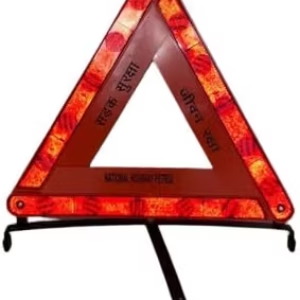
Patrol crews can identify stopped vehicles and roadway obstructions, alert the control room, warn approaching traffic and coordinate with police or maintenance teams. They may establish cones and temporary warnings where safe and authorised. Drivers should follow their directions rather than attempting to manage traffic themselves.
Ambulance
An ambulance provides emergency medical assistance and transport when needed. If anyone is injured, request medical assistance immediately. Avoid moving an injured person unless there is an immediate threat, such as fire or approaching traffic, and follow emergency-dispatch instructions.
Crane or recovery vehicle
A crane or tow unit can help clear disabled vehicles from dangerous positions. NHAI contracts may prescribe equipment, operating hours, records and service conditions, but a particular contract’s fee or performance provisions should not be presented as a universal entitlement for all motorists.
What to do while waiting for help
- If the vehicle can move safely, pull onto a designated shoulder or safe stopping area, away from live lanes.
- Switch on hazard lights. Do not stand behind the vehicle or walk along an active carriageway.
- Call the national-highway helpline 1033 for relevant NH assistance; use 112 for immediate police, fire or medical emergencies.
- Tell the operator your NH number, direction of travel, nearest exit or kilometre marker, vehicle type, injuries and whether any lane is blocked.
- Keep passengers away from moving traffic where a safe protected place is available. Do not cross the carriageway.
- Record the time and reference number of your request, and follow official responders’ instructions.
Are all national highways covered in the same way?
No. NHAI tender and operations documents are specific to their project sections and periods. Some contracts set performance benchmarks such as 24-hour staffing and response targets, but these are contractual requirements, not a promise that every caller everywhere will receive a vehicle within the same number of minutes. Road ownership, geography, traffic conditions and availability can affect the response. Check the responsible highway operator when planning a journey.
Useful related guides
Read our 1033 highway helpline guide, highway emergency survival guide, and toll-plaza operator contact guide for further practical information.
Official reference documents
- NHAI: Incident Management Services, Karaipettai–Wallajahpet NH-4 (tender document).
- NHAI: Incident Management Services contract specifications.
- NHAI official website for current notices and corridor information.
Frequently asked questions
Does a highway patrol replace police?
No. Patrol personnel can support traffic safety and coordination, but police retain their statutory functions in crashes and investigations.
Should I wait inside a broken-down car?
The safest position depends on traffic, location, barriers and hazards. Follow emergency operators’ instructions and avoid exposing yourself to live lanes.
Is every recovery crane free?
Do not assume so. Individual NHAI contracts can specify free incident-recovery arrangements, but verify the service terms for the particular road and avoid agreeing to unverified charges.