
How NHAI Monetises Highways: TOT, InvIT and Toll Securitisation Explained
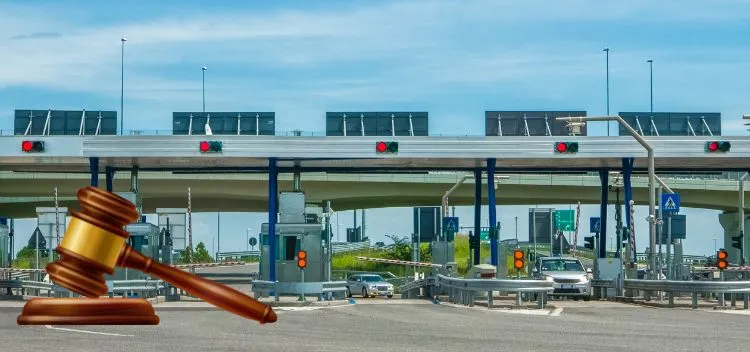
Evergreen explainer — not a new policy announcement. India’s National Highways Authority of India (NHAI) uses several ways to unlock financial value from operating highway assets. The three terms most often encountered in official documents are Toll Operate Transfer (TOT), Infrastructure Investment Trust (InvIT) and toll securitisation. They are financing and asset-management mechanisms, not three new categories of toll paid by drivers.
Why does NHAI monetise operational highways?
Building, upgrading and maintaining national highways requires substantial capital. An operating toll road can generate a future stream of user-fee revenue. Asset monetisation can convert part of that future economic value into funds available sooner, while contracts continue to define operation and maintenance responsibilities. It does not automatically mean a highway has been sold permanently, nor does it itself authorise a new toll rate.
1. Toll Operate Transfer (TOT)
Under a TOT arrangement, an operator typically makes an upfront payment in exchange for the right to collect specified toll revenues and manage an identified operational highway asset for a defined concession period. The precise duration, obligations, risk allocation and maintenance standards depend on the signed concession documents. Ownership of the public road should not be confused with the time-limited operating rights conveyed by a concession.
For motorists, the visible changes may involve the concessionaire’s name, customer-service arrangements or maintenance contractor. Applicable user fees still depend on the governing rules and notifications; a TOT award alone is not proof of a fee increase.
2. Infrastructure Investment Trust (InvIT)
An InvIT is an investment structure that can hold infrastructure assets through a trust and associated entities, with investors participating in the economic returns subject to applicable regulations and disclosures. In the highway sector, operating assets may be transferred into such a structure. Investors’ rights, cash distributions, financing arrangements and governance are not the same thing as a driver’s toll-payment obligations.
To understand an individual transaction, examine the trust’s official disclosures and the relevant highway concession arrangements. Do not assume every highway mentioned in an InvIT portfolio has identical operating or toll terms.
3. Toll securitisation
Toll securitisation generally uses specified future toll-related cash flows to support financing. Unlike a straightforward transfer of operating rights, the central feature is the financing arrangement against projected receipts. Its actual legal structure, repayment protections and revenue-sharing terms are transaction-specific. This is why it is misleading to describe all three mechanisms as simply “privatising toll plazas”.
Quick comparison
| Model | Core mechanism | What to verify |
|---|---|---|
| TOT | Time-limited operating and toll-collection concession, generally for upfront consideration | Concessionaire, term, maintenance obligations |
| InvIT | Investment trust holds economic interests in infrastructure assets | Trust disclosures, underlying asset and concession structure |
| Toll securitisation | Financing supported by identified future toll cash flows | Financing documents and revenue arrangements |
Does monetisation change FASTag or toll rates?
Not by itself. Drivers should distinguish a change in the party managing a road from a legally applicable user-fee notification. The vehicle category, plaza, journey type and relevant concession rules matter when checking charges. See our guide to verifying official toll plaza rates and the FASTag Annual Pass validity explainer. Neither asset monetisation nor a press announcement should be treated as a substitute for current plaza-specific fee information.
How to check an NHAI monetisation claim
- Locate the original NHAI or MoRTH announcement and note its publication date.
- Identify the exact asset or highway stretch; avoid extrapolating to the entire NH number.
- Check whether the document describes a proposal, bid invitation, award, financial closure or completed transfer.
- Find the named concessionaire or investment vehicle and verify the applicable contractual term.
- Separately verify current toll fees and the responsible road-maintenance agency.
Our national highway project-status guide explains why project milestones must not be confused. For broader policy context, read how to verify highway rules and government notifications.
What official records show
MoRTH’s Year End Review 2025, published 30 December 2025, describes TOT, InvIT and toll securitisation among NHAI’s asset-monetisation methods. An NHAI press release dated 2 April 2025 reported ₹28,724 crore of monetisation during FY 2024–25. These are historical disclosures, not figures for November 2026 and not a forecast of future collections.
Frequently asked questions
Is TOT the same as selling a highway?
No. A TOT concession grants defined operating and revenue rights for a contractual period; it should not be described as a permanent sale of the road.
Does an InvIT decide my FASTag charge?
The investment structure does not independently establish statutory toll rates. Check the applicable fee notification and plaza-specific rules.
Can I identify the operator from a toll receipt?
A receipt or plaza display may provide useful operator or collecting-agency information, but for contractual responsibility use authoritative concession and agency records.
Editorial note: This is an educational guide based on identified official historical records, not a report of a new transaction or a live toll-rate advisory.






Leave a Reply