
Driving in Fog on Indian Highways: Visibility, Lights and Journey Safety Guide
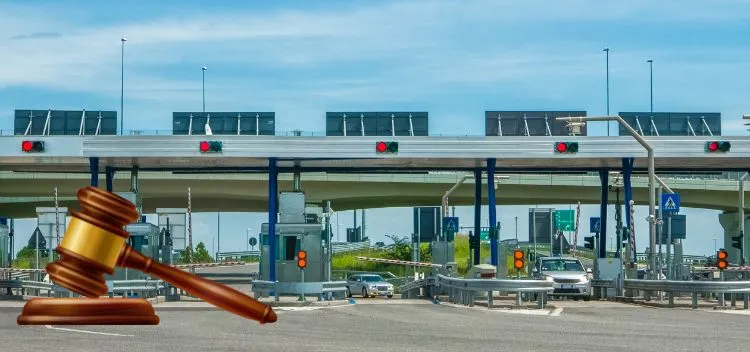
Evergreen highway weather guide — not a live fog alert. Fog can reduce the distance at which drivers notice stopped vehicles, lane markings, junctions and hazards. This guide explains practical precautions for Indian national highways and expressways. It does not claim that any particular road is fogbound, closed or restricted today.
Summary
- Check the latest IMD district and sub-division warnings before leaving.
- Match your speed to the distance you can actually see, not just the posted limit.
- Use dipped headlights and suitable fog lamps; avoid high beams in dense fog.
- Increase following distance and avoid abrupt braking, overtaking or unsafe roadside stops.
- Follow police, highway operator and variable-message signs if conditions deteriorate.
Check official forecasts before the trip
Start with the India Meteorological Department (IMD). Review the relevant district forecast, sub-division warnings and station-wise nowcast warnings. IMD also provides a highway forecast page for selected states. A broad regional forecast cannot guarantee visibility at a particular bridge, valley or interchange. Recheck before departure and during safe scheduled breaks.
For a broader pre-departure checklist, read our guide to checking highway weather alerts. Weather warnings and actual road restrictions are different: a warning does not automatically mean a road is closed.
How to drive when visibility falls
- Reduce speed gradually and leave substantially more space behind the vehicle ahead. Be able to stop within the clear distance visible in front of you.
- Switch on dipped headlights; use front or rear fog lamps where fitted and appropriate. High beams can reflect from fog and worsen glare.
- Keep windscreens, mirrors, headlights and tail lamps clean. Use demisting and ventilation to prevent internal condensation.
- Stay within marked lanes and use road-edge markings and reflective delineators as guidance. Do not follow another vehicle closely simply to see its tail lamps.
- Avoid unnecessary lane changes, overtaking and sudden braking. Do not use hazard lights continuously while moving unless specifically required by a local instruction; they can obscure turn-signal intentions.
- If visibility becomes too poor to proceed safely, aim for a designated rest area, service facility or other lawful safe exit rather than stopping in a live lane.
What NHAI’s published fog precautions cover
In its 30 December 2023 fog-mitigation press release, NHAI described measures such as maintaining reflective signs and road markings, using electronic warning signs, inspecting highways at night and positioning patrols on vulnerable stretches. These are published measures, not confirmation that every highway currently has every device or that a specific speed limit applies everywhere. Obey the limit and instructions displayed on your actual route.
NHAI’s Advanced Traffic Management System specifications also describe low-visibility detection and variable-message alerts. Treat active road signs and local authority instructions as more specific than generic travel advice.
If you encounter a breakdown or collision
Do not stop to take photographs of fog or to check navigation on the carriageway. If the vehicle can move, reach a safe designated stopping place. If it cannot, activate the appropriate warning lights, seek emergency help and follow the operator or police instructions. Avoid standing in an exposed traffic lane or crossing moving traffic. For practical breakdown planning, see our expressway breakdown and recovery guide. For interpreting temporary restrictions, consult our highway closures and diversions guide.
When should you postpone the journey?
Consider postponing non-essential travel when visibility is severely impaired, the driver is tired, or the route has limited safe stopping facilities. Allow more time for early-morning and overnight journeys in fog-prone areas. Never assume a normal journey time, an open toll plaza or a navigation app proves that a route is safe.
Frequently asked questions
Does an IMD fog warning close a highway? No. A weather warning describes a hazard; road restrictions require confirmation from the competent road or traffic authority.
Should I use high-beam headlights in dense fog? Generally no. Dipped beams are less likely to produce distracting backscatter. Use fog lamps appropriately and follow local rules.
Is there one universal safe fog speed? No. Safe speed depends on visibility, road geometry, traffic, vehicle and current posted restrictions. A fixed number cannot replace judgement or official limits.
Official references
- India Meteorological Department — forecasts and warnings
- NHAI — Fog mitigation measures, 30 December 2023
- NHAI — ATMS functional specifications
Editorial note: This is a standing safety explainer. It is not a real-time weather report or confirmation of any specific highway’s operating status.





Leave a Reply