
Night Driving on Indian Highways: Fatigue, Glare and Safe Stops Guide
Evergreen Road Safety Guide: This article explains practical precautions for driving after dark. It is not a new government announcement, real-time traffic advisory or a guarantee that any particular highway is safe.
Night journeys can be necessary for work, family travel or long-distance freight. Darkness reduces the distance at which drivers can recognise hazards, while glare and fatigue can make judgment slower. A safer journey begins before the vehicle leaves and continues with realistic decisions about speed, rest and stopping.
Summary
- Plan rest and identify safe stopping places before departure.
- Slow down when your visible stopping distance is limited.
- Treat repeated yawning, drifting attention and missed signs as reasons to stop.
- Use dipped headlights around other traffic and keep windscreens clean.
- Never stop on a live traffic lane for a routine rest break.
Check the driver and vehicle before leaving
Ask whether the driver is genuinely rested. A late departure after a full working day is not equivalent to starting fresh. Avoid relying on coffee, music or an open window as substitutes for sleep. If drowsy, postpone the journey or hand over to a rested, licensed driver.
Check that headlights, tail lamps, brake lights, indicators, reflectors, wipers and washer fluid work. Clean the windscreen inside and out: haze and dirt scatter light from approaching vehicles. Set mirrors correctly and check tyres, fuel and any essential medicines or emergency supplies before leaving.
Match speed to what you can actually see
The posted speed limit is a ceiling, not a target in poor visibility. Drive slowly enough to recognise a stopped vehicle, pedestrian, animal, unlit obstruction or unexpected bend and still stop safely within the distance illuminated ahead. Leave extra space behind large vehicles, whose spray or body can obscure the road.
Avoid abrupt steering when a hazard first appears. Look well ahead, keep to the correct lane and anticipate merging traffic, especially near junctions, toll approaches and work zones. If visibility suddenly deteriorates, reduce speed progressively and seek a safe, designated place to stop.
Reduce glare without losing awareness
Use low-beam headlights when approaching or following other vehicles. High beams can dazzle oncoming drivers and reflect back in mist. If another vehicle’s lights are dazzling, look toward the road-edge guidance rather than directly at the lamps, maintain your lane and ease off speed. Do not retaliate with your own high beams.
Keep dashboard brightness comfortable and avoid looking at a phone or navigation screen for prolonged periods. A passenger can help with directions; otherwise, pull into a safe location before changing a route.
Recognise fatigue early
Warning signs include frequent yawning, heavy eyelids, difficulty recalling the last few kilometres, missed signs, lane wandering and delayed responses. These are not signs to push through. Stop at a safe, well-lit rest area or fuel station and take a meaningful rest. If sleepiness persists, sleep properly before driving again. Do not park on a shoulder merely to nap if a safer facility is accessible.
Plan stops and handle an emergency
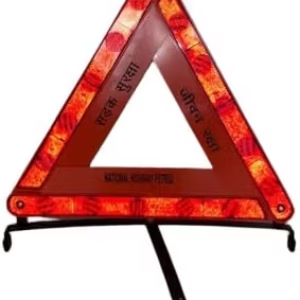
Identify suitable fuel stations and staffed rest areas in advance, particularly on unfamiliar routes. Keep the phone charged, share your route with someone you trust and carry drinking water. For a breakdown, activate hazard lights where appropriate, move out of moving traffic if possible and seek help without standing in a live lane. For emergencies on applicable national highway stretches, the NHAI 1033 helpline may assist; availability and response depend on location and circumstances.
If an accident has occurred, prioritise personal safety, call emergency services and communicate the road name, direction, nearest kilometre marker or landmark. Do not attempt an unsafe roadside repair.
Related Toll.co.in guides
- Driving safely in fog
- Road signs and lane markings
- Expressway breakdown safety
- Checking closures and diversions
Official background and further reading
The Ministry of Road Transport and Highways discusses road-user education, safer road behaviour and emergency care in its road safety information and Road Accidents in India report. These are background resources, not live route-status feeds.
Frequently asked questions
Should I always use high beam on an empty highway?
No. High beam may help only where lawful and appropriate and where it will not dazzle others. Dip lights for approaching vehicles and whenever glare or reflected light reduces visibility.
Can I continue driving if I feel sleepy but am close to my destination?
Do not rely on distance remaining. Fatigue can impair driving suddenly. Find a safe place to stop and rest or change drivers.
Is the hard shoulder a suitable place for a rest break?
No. Shoulders are intended primarily for emergencies and can be dangerous, especially after dark. Use designated stopping facilities whenever possible.






Leave a Reply