
Can Unpaid Highway Toll Dues Block Vehicle Transfers and Fitness Certificates? 2026 Rules Explained
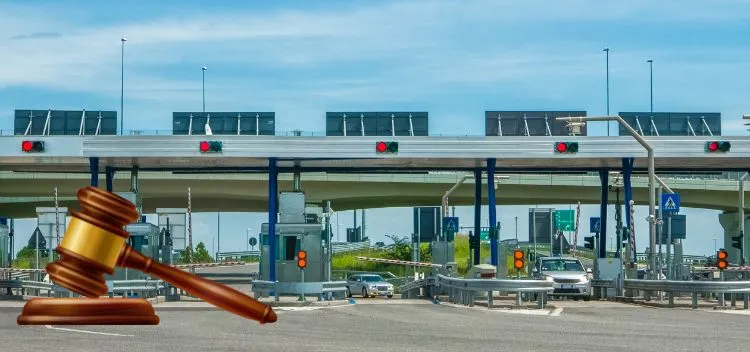
Evergreen policy explainer — updated 11 November 2026. This article explains previously notified rules; it is not an announcement of a new rule today. Drivers selling a vehicle, transferring it to another state, renewing a fitness certificate or applying for a National Permit should understand how unpaid National Highway user fees may affect the process.
Summary
- A January 2026 amendment links unpaid National Highway user fees to certain vehicle services.
- Vehicle transfer NOCs, fitness certificates and National Permits are among the affected services.
- A separate March 2026 amendment sets out electronic notices, payment and dispute procedures.
- Check the actual vehicle record and official notice before paying; do not treat an ordinary FASTag balance alert as a confirmed statutory toll demand.
What changed in the Central Motor Vehicles Rules?
On 20 January 2026, the Ministry of Road Transport and Highways announced the Central Motor Vehicles (Second Amendment) Rules, 2026. The ministry said an ‘unpaid user fee’ means a National Highway charge where electronic toll collection recorded a vehicle’s passage but the applicable amount was not received. The change was intended to support toll compliance, including barrier-free electronic tolling. Read the official PIB release dated 20 January 2026.
Which vehicle services can be affected?
- Transfer NOC: the notified amendment says a No Objection Certificate for ownership transfer or interstate transfer cannot be granted until unpaid user fees are cleared.
- Certificate of Fitness: renewal or generation is restricted while relevant unpaid user fee remains outstanding.
- National Permit: commercial vehicles applying for a National Permit must not have unpaid user fee.
- Form 28: applicants must disclose pending demands for unpaid user fee, and provisions permit electronic issuance of relevant portions of the form.
These are specific legal provisions, not a claim that every RTO service is blocked for every FASTag error. The status of a particular vehicle depends on the relevant official record and applicable procedure.
How does an unpaid toll demand reach the vehicle record?
A separate 18 March 2026 PIB announcement explained amendments effective from 17 March 2026 to the National Highways Fee Rules. The ministry described an electronic notice system identifying the vehicle, passage date and location, and amount payable. It also described integration with the VAHAN database. Read the official March 2026 announcement.
Under the March rules, the e-notice amount is generally twice the applicable fee, but payment within 72 hours of issuance requires only the original user fee. A representation may be filed within 72 hours; the ministry states it must be disposed of within five days or the claim lapses. If an unpaid demand persists beyond 15 days without a pending representation, it may be recorded in VAHAN and vehicle-service restrictions may follow. These timelines concern the notified e-notice mechanism, not every routine FASTag transaction dispute.
Practical checklist before selling or renewing a vehicle
- Check your vehicle details and relevant service status using the official Parivahan portal or the appropriate state transport office.
- Review any official electronic toll notice for registration number, passage date, location, amount and issuing authority.
- If the demand appears incorrect, use the official representation route within the stated deadline and preserve the acknowledgement.
- If the fee is valid, use the designated official payment channel and retain the receipt.
- Recheck the vehicle-service status after resolution; contact the responsible authority if the record has not updated.
- Do not follow unsolicited payment links or share OTPs in response to calls claiming an immediate RTO block.
What is different from a normal FASTag problem?
A failed deduction, low wallet balance, disputed transaction and formally recorded unpaid user fee are not interchangeable. The relevant statutory process involves a recorded passage and a demand under the applicable toll rules. For the notice and dispute process, see our unpaid highway toll e-notice guide. For broader toll information, visit the FASTag hub.
Does this apply to all roads and tolls?
The cited central amendments concern National Highway user fees and the vehicle-related services specified in the rules. They should not be presented as proof that every municipal parking charge, state-road toll or private-road charge automatically triggers the same restrictions. Verify the legal basis for the particular demand.
Where to verify policy changes
For the legal status of any highway rule, check official gazette notifications and the relevant ministry’s published documents. Our guide to checking Gazette notifications and press releases explains why a draft, a ministry announcement and an effective rule are different. For travel and fee-plaza resources, see the Toll Plaza directory.
Frequently asked questions
Can I sell my car if a toll payment is pending? A sale agreement and the issue of a transfer NOC are different matters. The 2026 rules restrict specified NOC services when relevant unpaid user fees remain; verify the vehicle’s official status before a transfer.
Will a low FASTag balance automatically stop fitness renewal? The ministry’s definition relates to recorded highway passage for which the fee was not received. A low balance alone is not proof of a recorded unpaid fee.
Is this breaking news from November 2026? No. This is a practical explanation of rules announced in January and March 2026, with dates retained to avoid misleading readers.





Leave a Reply