
NHAI Mechanised Drain Cleaning and Pothole Repairs: Highway Maintenance Guide
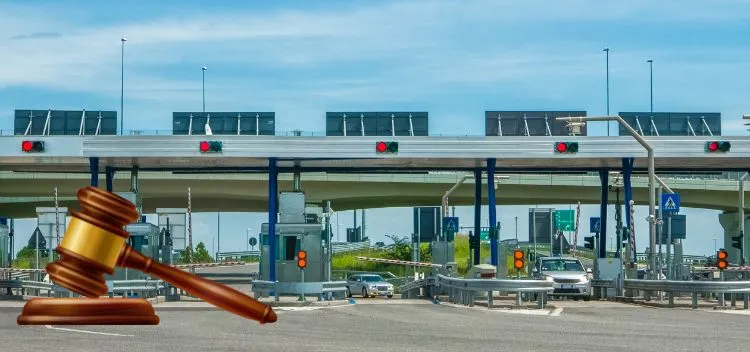
National Highway News | Explainer: A clean drainage channel and a sound road surface work together. Water trapped beside or beneath a highway can weaken pavement, while an untreated pothole can become more dangerous during rain. This guide explains how mechanised drain cleaning and automated patching fit into highway upkeep in India. It is not a report of a new road closure or completed repair at any particular location.
Why drainage and pothole repairs belong together
Surface water should leave the carriageway through the intended crossfall, shoulders, channels and outlets. If drains fill with silt, litter or vegetation, water can remain near the pavement or flood a low point. A pothole, meanwhile, may begin with a local surface defect and grow under traffic and moisture. Cleaning a drain alone cannot repair damaged pavement; patching a hole without addressing recurring water problems may also leave the underlying cause unresolved.
What NHAI’s mechanisation initiative covers
On 9 June 2026, the National Highways Authority of India, through an official Ministry of Road Transport and Highways release, described guidelines for mechanised drainage maintenance in urban and built-up areas and the use of automatic pothole filling, compacting and patching machines and mechanised road sweepers. The announcement concerns maintenance methods and guidance; it does not establish that every national highway now uses every machine.
Official announcement: PIB — NHAI to Adopt Mechanized Drain Cleaning and Automated Pothole Repair Systems (9 June 2026).
How mechanised drain cleaning works
- Inspection: Maintenance teams identify blocked inlets, silt accumulation, vegetation and damaged drainage sections.
- Removal: Suitable suction, jetting or other mechanised equipment removes debris or sediment where access and site conditions permit.
- Disposal: Collected material needs appropriate handling so it does not simply wash back into the drain.
- Verification: Teams check that water can pass through the cleared section and that grates, covers and outlets are safe.
Equipment and sequence vary by road design. A blocked culvert, collapsed drain wall or poor road gradient may need civil engineering work rather than routine cleaning.
How automated pothole patching differs from ordinary resurfacing
Purpose-built patching equipment can help place and compact repair material in a localised defect. A sound repair still depends on removing loose material, managing moisture, using an appropriate mix and achieving proper compaction and bonding. Extensive pavement failure, widespread cracking or a damaged base may require deeper rehabilitation rather than a quick patch. Road authorities must assess the defect and choose the repair method.
What drivers should do near maintenance crews
- Slow down early when advance roadwork signs, cones or flashing beacons appear.
- Follow the temporary lane layout and workers’ lawful directions; do not drive through coned-off work areas.
- Keep extra distance from sweepers, suction trucks and patching machines, which may stop or move slowly.
- Watch for uneven edges, wet patches and loose material until a repair area is reopened.
- Never stop in a live lane to photograph a defect. Record the highway number, kilometre marker and travel direction only when safe.
Who is responsible for maintenance?
Responsibility depends on the highway section and contract. MoRTH has explained that concessionaires or contractors maintain stretches under applicable development, operation and maintenance arrangements; other stretches can be covered by performance-based or short-term maintenance contracts. A visible defect does not, by itself, identify the responsible contractor.
Official background: PIB — Maintenance of Highways and Traffic Management (27 March 2025). MoRTH also stresses the importance of signs, markings and roadside safety devices in its road-safety memorandum.
Related reading on Toll.co.in
- National Highway Maintenance Contracts: PBMC vs STMC
- MoRTH’s reported pothole repairs and road-marking improvements
- How to report a National Highway hazard
Editorial note: This is an evergreen explainer based on dated official material, not a live report of repair work, equipment deployment or traffic conditions on a particular road. Always follow current on-site instructions.








Leave a Reply