
NHAI Digital Highway Cybersecurity: What the IHMCL–NFSU Partnership Means
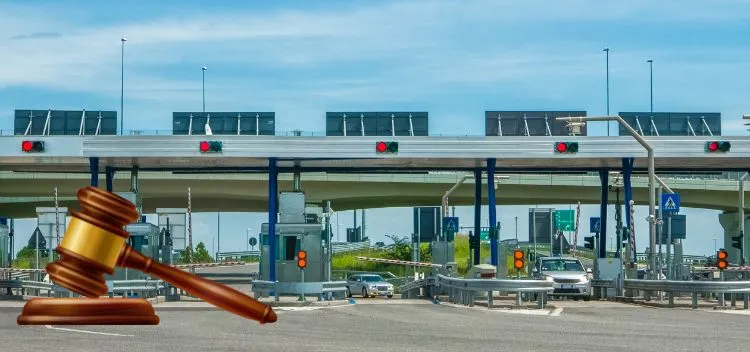
Explainer | Background, not a new announcement. On 2 February 2026, Indian Highways Management Company Limited (IHMCL), a company promoted by the National Highways Authority of India (NHAI), signed a memorandum of understanding with National Forensic Sciences University (NFSU). The partnership concerns cybersecurity, digital forensics and reliable evidence handling for highway operations. This guide explains the announcement’s scope and what it does—and does not—mean for road users.
Summary
- The MoU was announced on 2 February 2026, not today.
- NFSU is expected to provide technical guidance, training and laboratory-related support to IHMCL.
- The stated areas include CCTV and multimedia analysis, cyber forensics, digital evidence integrity and resilience.
- The announcement does not establish that every toll plaza has a new security system or that any breach occurred.
What exactly was announced?
According to NHAI’s official 2 February 2026 press release, IHMCL and NFSU agreed to cooperate on research, training and consultancy. NFSU’s proposed support includes technical guidance for laboratories covering CCTV, multimedia and audio-video analysis, along with cyber and digital forensics. The agreement also covers specialized training and efforts to improve digital evidence integrity.
This is a cooperation framework, not proof that every proposed laboratory or technology has been deployed. NHAI did not provide a toll-plaza-by-toll-plaza implementation list in the cited announcement.
Why does cybersecurity matter to highways?
Modern highway operations rely on interconnected platforms: toll collection records, camera footage, traffic management systems and service portals. If records are incomplete, altered or difficult to authenticate, resolving a disputed transaction or investigating an incident can become harder. Cybersecurity aims to protect system availability and access; digital forensics helps establish what electronic records can reliably show.
Digital evidence integrity explained
Digital evidence integrity means preserving the reliability and traceability of electronic material such as video files and logs. Good practice can involve access controls, timestamps, documented handling and methods to detect unauthorized alteration. These are general principles; the February announcement does not specify which controls are operational at individual NHAI sites.
What should FASTag users do?
- Use your issuing bank’s official FASTag app or portal to check transactions and account alerts.
- Do not share OTPs, passwords or payment credentials with callers claiming to be toll officials.
- Keep the date, plaza name, vehicle registration and transaction reference when disputing a deduction.
- Use verified grievance channels rather than links received in unsolicited messages.
For related guidance, see how to dispute a wrong FASTag deduction, the 1033 highway helpline guide, how to verify official highway announcements, and how highway incident management works.
Does the MoU change FASTag fees or toll rules?
No toll-fee revision, new FASTag charge, compulsory customer registration or road closure is announced in this particular release. The subject is institutional cooperation on digital security. Do not confuse a technology partnership with a change to tolling policy.
What to watch next
Meaningful future developments would include official confirmation of operational forensic facilities, specific training outcomes or deployment milestones. Such details should be reported only when NHAI, IHMCL or NFSU publishes them.
Official source
NHAI press release, 2 February 2026: IHMCL–NFSU MoU. This article is an evergreen explanation of that dated release, not a claim of a new November 2026 development.








Leave a Reply