
National Highway Bridge Height and Weight Restrictions: A Driver’s Guide
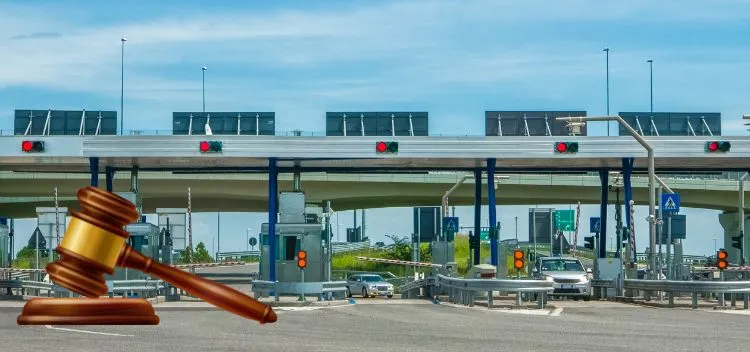
Evergreen guide — not a live traffic advisory. Bridge height and weight restrictions can affect trucks, buses, caravans and vehicles carrying tall or heavy loads. The safe approach is to verify the specific bridge and route rather than assume that every National Highway structure has the same clearance or capacity.
Summary
- Read the restriction shown at the actual approach, including units and vehicle direction.
- Check the vehicle’s loaded height and gross weight before departure.
- Never use an unverified shortcut or ignore a posted bridge restriction.
- Confirm unusual loads and route suitability with the responsible road authority.
What does a height restriction mean?
A height-limit sign indicates a maximum permitted vehicle height at the relevant location. It may protect an overhead bridge, underpass, gantry or another structure. The figure applies to the vehicle as driven, including roof-mounted equipment, cargo and anything extending above the body. Road resurfacing, temporary works or a different lane can affect available space, so a remembered clearance from a previous journey is not enough.
What does a weight restriction mean?
Weight restrictions may relate to a bridge’s structural capacity, a vehicle class, gross vehicle weight or an axle-related condition. These are not interchangeable. Read the wording and symbol on the sign and any accompanying official notice. A vehicle’s empty weight is not its travelling weight: passengers, fuel, equipment and cargo count. The manufacturer’s ratings and applicable statutory axle-load limits are separate checks from any site-specific bridge restriction.
Five checks before a heavy or tall vehicle journey
- Measure the loaded vehicle. Include containers, machinery, rooftop equipment and secured cargo in the height assessment.
- Verify weight documentation. Check the actual loaded gross and axle weights, not just a registration category or an estimated payload.
- Review the whole route. Include access roads, interchanges, underpasses and local-road approaches, not merely the National Highway number.
- Consult official restrictions. Check road-authority advisories and posted signs immediately before travel. For abnormal or oversize loads, obtain the applicable permissions and route clearance.
- Plan a legal alternative. If a restriction is lower than the vehicle’s dimensions or capacity, stop in a safe permitted place and arrange a compliant route; do not attempt to squeeze through.
What if the sign differs from a map application?
Digital navigation can be helpful for general routing but may not include every temporary restriction, local bridge or recent change. Follow lawful traffic control and posted restrictions, and contact the responsible authority when information conflicts. Do not reverse or make a U-turn on a high-speed carriageway to escape a low-clearance structure.
Who should drivers contact?
For a National Highway managed by NHAI, consult official NHAI information or the Rajmargyatra service. On other routes, the relevant state road authority, local traffic police or bridge operator may control restrictions. The National Highway assistance number 1033 can help road users report problems on the applicable network; it is not a substitute for obtaining oversize-load permissions.
Related reading
See our service-road and U-turn guide, traffic advisory explainer, and highway obstruction reporting guide.
Official reference points
For current regulations and route-specific instructions, consult the Ministry of Road Transport and Highways and National Highways Authority of India. This guide does not certify any particular bridge as open, closed, safe for a specific load, or subject to a particular clearance.






Leave a Reply