
National Highway Access Permission in India: Rules for Fuel Stations and Private Properties
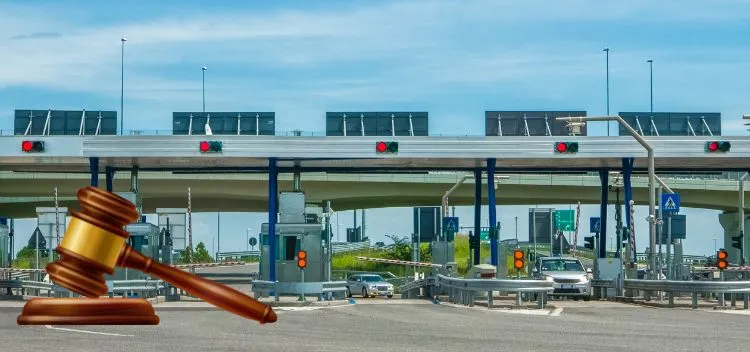
Evergreen government policy explainer: This guide explains the national highway access-permission framework, not a newly announced policy change. Property owners should check the latest applicable circular and site-specific conditions before applying.
A roadside shop, petrol pump or warehouse cannot assume that owning land beside a National Highway automatically gives it permission to build a driveway directly onto the carriageway. Access points affect traffic speed, sight distance, turning movements and pedestrian safety. India’s Ministry of Road Transport and Highways (MoRTH) has published guidelines for permission to construct access to National Highways, including fuel stations, wayside amenities and private properties.
What does national highway access permission mean?
Access permission is the approval governing how vehicles may enter or leave a property from a National Highway. It is different from land ownership, a building permit, trade licence or fuel-retail authorisation. The relevant Highway Administration assesses the proposed connection under the Control of National Highways (Land and Traffic) Act, 2002 and related rules and guidelines. An approval may impose design, construction and maintenance conditions.
Which developments should check the rules?
- Petrol, diesel, CNG, EV charging and other fuel outlets seeking a highway connection.
- Rest areas, food courts, hotels and wayside amenities alongside National Highways.
- Private landowners planning a new entrance, widened driveway or change in traffic access.
- Logistics parks, warehouses and commercial establishments expecting truck or bus movements.
Requirements depend on the road, location, category of establishment and the applicable version of the guidelines. Do not assume a neighbour’s existing entrance establishes a right to construct another.
Who examines an application?
The MoRTH guidelines identify the project-level proposing authority according to who manages the National Highway: an NHAI Project Director, the relevant NHIDCL officer, or the Executive Engineer of the National Highway wing of the State PWD. The competent Highway Administration grants permission under the applicable legal framework. The responsible office can vary even within the same state, so first identify the agency entrusted with the particular highway section.
Practical application checklist
- Identify the road: Record the NH number, nearby kilometre or chainage marker, side of the road, district and approximate coordinates.
- Confirm jurisdiction: Ask the NHAI, NHIDCL or State PWD National Highway office which authority handles the section.
- Prepare a site layout: Show property boundaries, existing road geometry, proposed entry and exit, turning space, nearby intersections and other relevant roadside features.
- Review safety: Check visibility, drainage, pedestrian movement, service roads and conflict with junctions or toll facilities; professional road-design input may be needed.
- Use the prescribed process: Submit the documents and fees required by the current online application procedure, retain acknowledgements and respond to formal clarification requests.
- Wait for written approval: Do not treat a submitted application, payment receipt or verbal assurance as final permission to open the access.
Why service roads and distance restrictions matter
Direct connections near intersections, toll plazas and other conflict points may be restricted. MoRTH’s revised guidelines discuss service-road requirements and special treatment of relaxation proposals, including road safety audits in specified circumstances. Those technical conditions should not be reduced to one universal distance rule: rural, urban and mountainous sections can be treated differently, and amendments may apply. A proposed connection that looks convenient on a map can still be unsafe or ineligible.
What if a property already has an entrance?
An old opening does not necessarily prove that the current use or a larger commercial access is authorised. Check the original approval, any conditions and whether a change in use or road widening affects the design. The official guidelines also describe action when permission conditions are breached, including notice and possible withdrawal. Owners should seek a written clarification rather than relying on informal assumptions.
Common mistakes to avoid
- Confusing municipal construction approval with highway access permission.
- Designing a driveway without considering truck turning radius and approaching traffic.
- Blocking a drain, shoulder or pedestrian path during construction.
- Assuming a planned service road is already open and usable.
- Quoting an old guideline without checking subsequent amendments and site-specific conditions.
Related reading on Toll.co.in
For background, read our service roads and U-turn safety guide, learn how highway chainage works, and see how to verify a highway project’s status.
Frequently asked questions
Can I open a gate directly onto a National Highway?
Do not assume so. The relevant Highway Administration must determine whether the proposed access is permitted and what conditions apply.
Does an EV charging station need to check access rules?
Yes. MoRTH’s guidelines include EV charging stations within the fuel-station access framework, but the exact approval requirements depend on the site and current rules.
Is there one standard approval fee or processing time?
No single figure should be assumed for every case. Confirm current charges, required documents and processing status with the competent authority and official application system.
Official source and verification
Primary reference: MoRTH revised guidelines on access permission to National Highways (26 June 2020, with amendments noted in the document). This guide is informational, not legal or engineering approval. Verify the latest circulars and obtain project-specific written instructions before any work.







Leave a Reply