
Strong Crosswinds on Indian Highways: Safe Driving Guide for Cars and Trucks
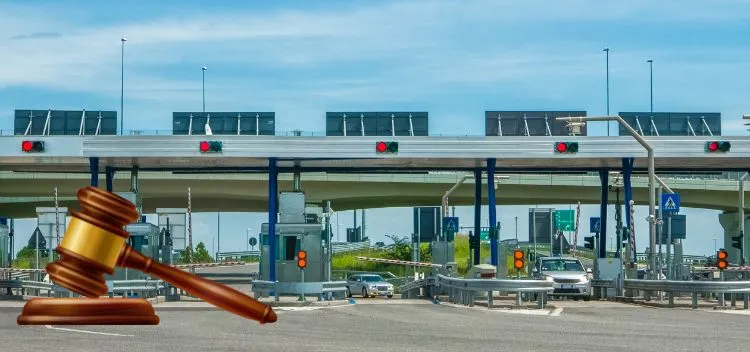
Evergreen highway weather guide: This article explains practical precautions for gusty winds. It is not a current wind warning, road closure notice or statement that any particular highway is affected today.
Strong side winds can push a vehicle sideways, especially when it passes an open stretch, bridge, embankment or gap between buildings. Large vehicles with tall sides, lightly loaded trucks, buses, vans and vehicles carrying roof loads deserve particular caution. Drivers should respond to the actual road conditions and official alerts, not assume a road is safe merely because the sky looks clear.
Why crosswinds are different from headwinds
A headwind mainly resists forward movement; a crosswind acts from the side. Sudden gusts can change steering effort and vehicle position. Wind exposure may change abruptly when leaving a sheltered cutting, overtaking a truck or entering an open bridge. The danger is not captured by a single universal wind-speed threshold: vehicle dimensions, load, speed, road geometry and gustiness all matter.
Before departure: check warnings, not just the temperature
Use the India Meteorological Department subdivision warnings to look for strong surface winds, dust storms or thunderstorms. IMD also provides a highway forecast page for selected states and short-term district nowcasts. These are weather products, not confirmation that a particular carriageway is open.
The NDMA SACHET portal aggregates official disaster warnings and recommended actions. Check the route’s highway operator or traffic police separately for closures and diversions. A warning covering a district does not automatically apply equally to every road within it.
What to do when a gust hits while driving
- Ease off the accelerator smoothly and reduce speed to a level that allows controlled steering.
- Keep both hands ready on the wheel and make small, gradual corrections; avoid abrupt swerves or hard braking.
- Increase following distance and allow extra lateral space from tall vehicles when it is safe to do so.
- Be especially attentive on elevated roads, bridges, open fields and immediately after passing large trucks.
- Watch for flying debris, broken branches and dust that may reduce visibility; never drive into a dust cloud when you cannot see the road ahead.
Extra precautions for trucks, buses and roof loads
High-sided vehicles present more surface area to a side gust. A light or empty vehicle may behave differently from the same vehicle when loaded. Operators should follow the vehicle manufacturer’s instructions and their fleet’s wind and loading procedures. Secure cargo correctly before leaving; never use ropes or makeshift attachments as a substitute for approved load restraints. If wind makes lane-keeping difficult, plan to stop safely rather than trying to maintain schedule.
When should you stop or postpone travel?
Delay departure when official warnings advise avoiding travel, when a route operator restricts high-sided vehicles, or when conditions exceed your ability to control the vehicle. If already on the road, seek an authorised rest area, service facility or other safe off-carriageway location. Do not stop on a bridge, live traffic lane, blind curve or narrow shoulder merely to wait out wind. Follow emergency instructions from police and highway authorities.
During thunderstorms, do not shelter under roadside trees or near electric poles. NDMA’s official safety guidance warns of flying objects and damaged power lines during severe storms. If a dangerous obstruction is present, notify the appropriate road operator or emergency service from a safe position.
A practical route-check routine
- Identify exposed stretches, major bridges and planned rest stops before leaving.
- Check the latest IMD warning and nowcast for every district on a long route, not only the starting city.
- Recheck official alerts during breaks, especially when weather is changing quickly.
- Confirm closures and restrictions with highway authorities; never interpret a forecast as an open-road guarantee.
- Choose a safer departure time or postpone the trip if warnings and on-road conditions warrant it.
Related Toll.co.in guides
For broader planning, see how to check highway weather alerts, IMD warning colours explained, and how to navigate work-zone diversions.
Frequently asked questions
Does an IMD wind warning mean an expressway is closed?
No. Weather warnings and legal road restrictions are different. Verify any closure with the road operator or traffic authority.
Is there one wind speed at which every truck must stop?
No universal threshold is provided here. Vehicle design, load, exposure, gusts and applicable operator instructions differ. Follow official restrictions and manufacturer or fleet guidance.
Should I park under a tree during a windstorm?
No. Trees, poles and unsecured structures can create additional hazards. Use an appropriate safe shelter or designated stopping area.
Sources: IMD highway forecasts, subdivision warnings and district nowcasts; NDMA SACHET official safety guidance. These links provide current information when visited, but no live route condition is asserted in this guide.






Leave a Reply