
Safe Following Distance on Indian Highways: Rain and Fog Driving Guide
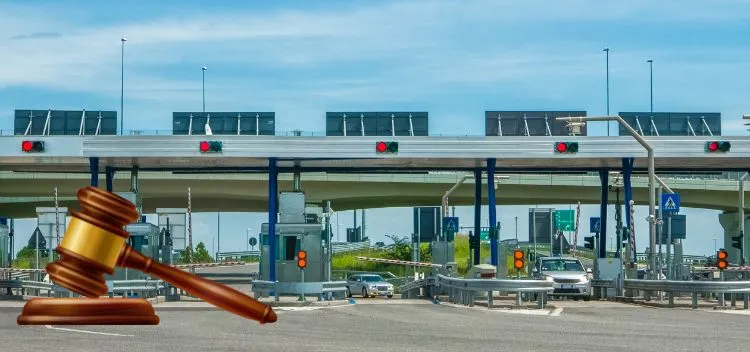
Road Safety Guide: A safe following distance gives a driver time to notice a hazard, react and slow down before reaching the vehicle ahead. On Indian national highways, the gap needs to grow when rain, fog, darkness or heavy vehicles reduce the margin for error. This is an evergreen driving guide, not a live traffic advisory or new government notification.
Summary
- Use a fixed roadside reference to estimate your time gap.
- Increase the gap in rain, fog and other difficult conditions.
- Do not rely on a fixed number of metres at every speed.
- Avoid tailgating trucks and braking sharply to discourage another driver.
How to measure the following gap
Choose a stationary landmark such as a signpost, bridge support or roadside marker. When the vehicle ahead passes it, begin counting seconds. Stop counting when the front of your vehicle reaches the same landmark. If the count is too short, ease off the accelerator and rebuild space. The two-second method appears in the Central Motor Vehicles Rules’ driver-training syllabus; it is a basic learning method, not a guarantee of adequate stopping distance in every situation.
Why speed and road conditions matter
At 60 km/h, a vehicle travels about 16.7 metres every second; at 90 km/h it covers about 25 metres per second. A two-second gap therefore corresponds to roughly 33 metres or 50 metres respectively before accounting for changing traffic conditions. These are arithmetic illustrations, not prescribed legal minimums. Actual stopping depends on perception, reaction, tyres, brakes, vehicle load and road grip.
In rain, wet roads can lengthen braking distance, and spray from larger vehicles can obscure lane markings and brake lamps. Increase the time gap well beyond the basic two-second training example. In fog, reduce speed to one that allows stopping within the visible clear distance ahead. If visibility is too poor to continue safely, seek an appropriate designated stopping place rather than stopping in a live traffic lane.
Following a truck or bus
Heavy vehicles may block the view of hazards farther ahead. Leave enough room to see lane edges and signs without moving dangerously close to the truck. Avoid sitting in blind spots, sudden lane changes and attempting an overtake without a clear view. When another vehicle merges into your safety gap, gently restore the distance instead of accelerating to close it.
Fog, headlamps and visibility
Use appropriate dipped headlamps in poor visibility. High beams can reflect off fog and make it harder to see; MoRTH’s road-safety question bank specifically addresses this problem. Observe posted speed restrictions, local warnings and variable message signs. NHAI’s 30 December 2023 fog-safety release described reflective markers, warning messages and inspections as mitigation measures; it should not be mistaken for a fresh 2026 road closure announcement.
What to do if traffic suddenly slows
Look far ahead, release the accelerator early, brake progressively when possible and avoid swerving into an unverified gap. Keep attention on the road rather than a phone or dashboard screen. If you encounter a damaged sign or hazardous highway condition, use the official Rajmargyatra service or consult the site’s highway hazard reporting guide. For work zones, see our roadwork traffic control guide. For a vehicle emergency, consult the expressway breakdown safety guide.
Official reference material
- MoRTH: Central Motor Vehicles Rules driver-training syllabus — following distance and two-second method.
- MoRTH: Road safety question bank — poor visibility and headlamp use.
- NHAI: Fog mitigation press release, 30 December 2023 — highway visibility measures.
Focus keyword: safe following distance on Indian highways. Related keywords: two-second rule India, highway driving in rain, driving in fog, truck following distance.






Leave a Reply