
Night Highway Roadworks in India: Reflective Barricades and Safe Driving Guide
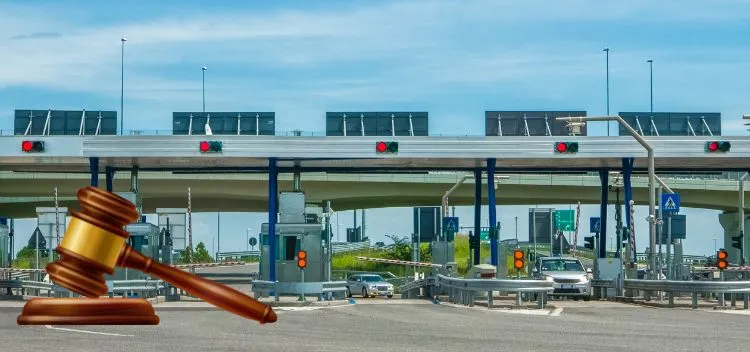
Highway construction and maintenance can continue after sunset, when a driver has less time to recognise a shifted lane, an open excavation or an approaching work crew. This is a practical safety guide, not a report of a current closure or an active traffic advisory. Always follow signs and instructions at the actual site.
What should a night work zone look like?
MoRTH’s highway construction safety circular calls for a traffic management plan, conspicuous retroreflective signs, delineators such as cones or drums, barricades and warning lights where required. A diversion should be properly designed and maintained rather than sending traffic abruptly onto an unsuitable shoulder. These controls are intended to make the change in road alignment recognisable early enough for drivers to respond safely.
Four things drivers should check
- Advance warning: Look for roadworks and lane-closure signs well before reaching machinery or barriers. Reduce speed progressively; do not brake suddenly unless necessary.
- Reflective guidance: Follow the line of reflective cones, drums, chevrons and lane markings. A single flashing light is not proof that the route ahead is clear.
- Safe lane transition: Merge early when directed, leave space for trucks and avoid overtaking near narrowing lanes or temporary opposing traffic.
- Workforce and excavation hazards: Expect personnel, slow equipment, loose material and uneven pavement. Do not enter a barricaded lane even if it appears empty.
Why darkness and rain make diversions riskier
MoRTH specifically identifies missing or damaged barricades, dirty reflective markings, poorly maintained diversions and unprotected excavations as work-zone safety shortcomings. Rain can hide a pit beneath water, while headlight glare and wet pavement reduce the visibility of lane edges. Maintain a greater following distance and avoid sudden steering corrections if a marker is difficult to see.
What if a barricade or diversion looks unsafe?
Slow down without stopping in a live traffic lane. Follow authorised police or traffic-controller instructions; do not move cones or drive through a closed section. If a hazard needs reporting, note the highway number, direction of travel, nearest kilometre marker or landmark, and describe the missing sign or obstruction. Stop only in a safe permitted location before making a call. For more background, read our highway obstruction reporting guide.
Verify the diversion before departure
Check current information from the road authority or traffic police, especially for overnight travel. A navigation app may show a faster route without confirming whether a temporary diversion is legally open. Our map-app versus official advisory explainer and guide to reading highway advisory chainage and validity explain how to cross-check the location and timing.
What do the official guidelines say?
The MoRTH highway construction and maintenance safety circular discusses traffic diversion plans, retroreflective signage, barricading and recurring work-zone deficiencies. The four-laning specifications and standards also address traffic arrangements, lighting and warning devices. These are general safety references, not confirmation of a particular road closure.
Bottom line: At night, treat a work-zone warning as the start of a controlled transition, not as a suggestion to maintain normal cruising speed. Follow the marked route, protect workers and leave yourself room to react.






Leave a Reply