
Highway Traffic Jam Safety in India: What Drivers Should Do During Long Stoppages
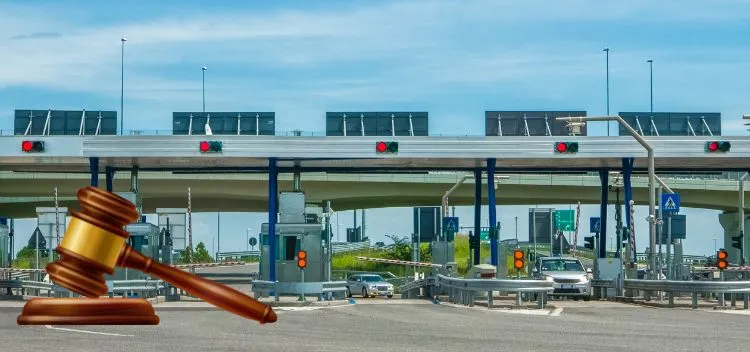
Evergreen traffic advisory guide — not a live road closure alert. A long queue on an Indian national highway can result from a crash, heavy rain, roadworks, a vehicle breakdown or a temporary traffic restriction. The cause and reopening time cannot be assumed from the queue alone. This guide explains how to manage a prolonged stop without creating another hazard.
Summary
- Keep emergency access clear and follow instructions from police or authorised traffic personnel.
- Do not drive against traffic, use the shoulder to overtake or make an unauthorised U-turn.
- Check official updates before choosing a diversion.
- For immediate highway assistance on an NHAI-managed national highway, use the 1033 helpline.
1. First actions when traffic suddenly stops
Reduce speed smoothly, leave enough distance from the vehicle ahead, and watch mirrors for vehicles approaching from behind. Avoid sudden lane changes. If traffic is stationary, remain in the designated lane unless police or traffic managers direct otherwise. Use hazard warning lights when your vehicle presents a hazard, in accordance with your vehicle manual and road conditions; they are not a licence to park in a live lane.
Do not stop on a curve, bridge or narrow shoulder simply to investigate a queue. If your vehicle is disabled, prioritise getting occupants to a safe place away from moving traffic when it is safe to do so. Never stand between stopped vehicles.
2. Keep space for ambulances and rescue teams
A traffic queue may conceal an accident farther ahead. Emergency vehicles, recovery cranes and road maintenance crews need access. Do not occupy the hard shoulder or service lane as a shortcut, and do not follow an ambulance to bypass traffic. Make room only in a controlled and safe way, following police instructions and avoiding abrupt movements.
3. Verify why the road is blocked
Use the official NHAI website and Rajmargyatra portal for available national-highway information and assistance channels. Police and district administration notices may provide the most specific local diversion instructions. Check the publication time, highway number, direction and kilometre or junction reference. A forwarded screenshot without a date is not reliable evidence of a current closure.
For a broader method, read our guide to checking highway closures and diversions. For rain and fog risks, see how to check highway weather alerts.
4. Should you wait, exit or turn back?
Stay on the authorised carriageway unless there is a safe, legal exit or an official diversion. A route suggested by a navigation app may pass through narrow village streets, low bridges or roads unsuitable for heavy vehicles. Confirm that a diversion is open to your vehicle type and direction before using it. Do not cross a median, reverse along an expressway or make a U-turn through a maintenance opening.
If officials give an estimated reopening time, treat it as provisional. Conditions can change after inspection or recovery operations. For longer trips, identify fuel and rest stops before you are low on supplies. Our expressway entry and exit guide explains why an access-controlled road may not offer an immediate alternative exit.
5. Managing a long stationary delay
- Keep drinking water, essential medicines, a charged phone and a charging cable accessible.
- Monitor fuel or battery level, especially when air conditioning is needed.
- Never run an engine in an enclosed or poorly ventilated space.
- Keep children and vulnerable passengers supervised; do not allow people to walk between lanes.
- In extreme heat, rain or cold, assess passenger wellbeing and seek emergency help when necessary.
- Keep a record of the highway number, direction, nearby exit and location marker when requesting assistance.
6. When and how to request help
For emergencies involving injuries, fire or immediate danger, contact emergency services; India’s unified emergency response number is 112. For NHAI national-highway assistance, 1033 is a highway helpline. Describe the incident, direction of travel, nearest toll plaza or landmark and precise location if available. Do not assume the operator already knows your position. If a collision has occurred, avoid moving injured people unnecessarily unless there is an immediate danger; consult our road accident assistance guide.
7. Information to share responsibly
A useful traffic update says which highway, which carriageway, where the queue begins, when the observation was made and whether the source is official or personal observation. Do not publish unverified claims about fatalities, closures, toll waivers or reopening times. Avoid photographing injured people or blocking rescue work for social media content.
Frequently asked questions
Can I use the highway shoulder to bypass a queue?
Do not use the shoulder as an overtaking lane. It may be needed by emergency responders or stranded vehicles, and local police instructions take priority.
Is a navigation app enough to confirm a diversion?
No. Navigation services can help identify alternatives, but official road authority and police instructions should determine whether a diversion is permitted and suitable.
Does a traffic jam mean toll collection is suspended?
No automatic toll waiver should be assumed. Toll rules and any specific operational directions must be verified separately.
Official resources
- National Highways Authority of India (NHAI)
- Rajmargyatra citizen services
- Emergency Response Support System (112)
Editorial note: This is general journey-safety guidance, not confirmation of a current closure, diversion, congestion event or reopening time. Always follow on-site traffic police and road authority instructions.
Leave a Reply