State Highway Bridge Load Limits in India: Weight and Axle Signs Explained
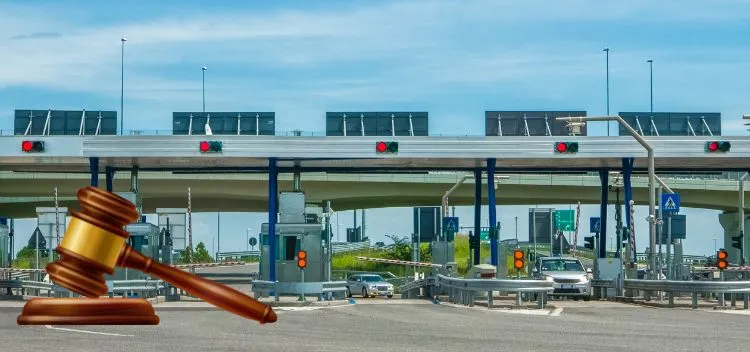
Guide / Explainer — 22 November 2026. A bridge restriction sign is a safety instruction, not a suggestion. On state highways, an older or narrow bridge may carry a posted weight, axle-load, height or width restriction that differs from the limit applicable to the approach road. This article explains how to read the signs and what to do before entering a restricted bridge. It does not report a new closure or claim that a particular bridge is unsafe.
What the different restriction signs mean
India’s road-sign guidance distinguishes a load-limit sign from an axle-load-limit sign. A load-limit sign concerns the permitted vehicle weight specified on that sign, while an axle-load sign addresses the load transmitted through an axle. Other regulatory signs can restrict vehicle height or width. The exact symbol and accompanying text matter: do not assume that every sign with a tonne figure means the same thing. MoRTH’s published road-safety material includes separate load-limit and axle-load-limit symbols.
For example, a sign displaying a limit is not permission to cross simply because a truck’s cargo alone weighs less than the number shown. Drivers should check the relevant vehicle weight or axle load, including the vehicle and its load, and comply with the precise restriction displayed.
Before a truck or bus approaches a restricted bridge
- Read advance warning boards before committing to a narrow approach or turn.
- Compare the posted restriction with reliable vehicle weight and axle-load records; ask the fleet operator if unsure.
- Check height and width limits as well as weight, particularly for high-bodied or oversized loads.
- Use an approved alternate route when the vehicle exceeds the posted restriction or compliance cannot be established.
- Never reverse abruptly, make a U-turn at an unsafe location, or drive around barriers to reach a restricted bridge.
Why a state highway can have a different bridge restriction
Bridge structures differ in age, span, design and condition. A road’s general vehicle rules do not automatically establish what every individual bridge can carry. The Indian Roads Congress maintains technical standards for bridge design and loading, including IRC:6 on loads and load combinations. A posted local restriction must be followed even if the vehicle normally travels on that class of road.
What to do if a sign is missing, damaged or unclear
Do not treat an unreadable sign as proof that no restriction applies. Stop only where lawful and safe, record the bridge name or nearby kilometre marker, road number, direction of travel and a clear photo if it can be taken without exposure to traffic. Contact the state Public Works Department or highway authority responsible for that stretch. A national-highway complaint channel may not be the correct destination for a state-road bridge.
For more on identifying the responsible agency, read our state highway versus district road guide and state highway complaint guide. Operators planning long-distance freight movements can also review our cargo securing guide.
Does a restriction automatically mean the bridge is closed?
No. A posted restriction may permit some vehicles while excluding heavier, taller or wider ones. A closure is a separate traffic-control decision. Follow current on-site signs, barricades and instructions from authorized personnel; verify any claimed diversion with the responsible road authority before travelling.
Official technical references
- MoRTH road-safety report: mandatory and regulatory signs — lists load-limit and axle-load-limit signs separately.
- Indian Roads Congress publication catalogue — identifies IRC:6-2017 bridge loading standards.
Editorial note: This is general educational guidance, not a live advisory for a named bridge. Always follow the actual restrictions and directions at the site.